Vertical Victory: Using Space to Your Advantage
Toy Taming: Organizing Kids’ Play Spaces for Sanity and Stimulation
Understanding the Toy Tsunami:
Before diving into the nitty-gritty of toy organization, it’s crucial to understand why kids’ play spaces often resemble miniature landfills. Children receive toys as gifts, inherit them from older siblings or relatives, and accumulate them through impulse purchases. This constant influx, combined with a child’s developing organizational skills and varying levels of tidiness, creates the perfect storm. Moreover, the types of toys contribute to the chaos. Small, loose pieces like LEGOs, action figures, and doll accessories are notoriously difficult to contain, while larger items like ride-on toys and oversized stuffed animals take up significant real estate. Acknowledging these factors is the first step towards achieving a manageable and inspiring play environment.
The Psychology of a Play Space:
A well-organized play space isn’t just aesthetically pleasing; it directly impacts a child’s development and well-being. A cluttered environment can be overwhelming and distracting, hindering creativity and focus. Studies have shown that children play more creatively and for longer periods in organized spaces. Conversely, a thoughtfully arranged play area encourages independence, problem-solving, and responsibility. Think about creating zones dedicated to different types of play: a quiet reading nook, an active play area for building and movement, and a creative corner for art and crafts. This zoning helps children understand the purpose of each area and fosters a sense of order.
Decluttering: The Essential First Step:
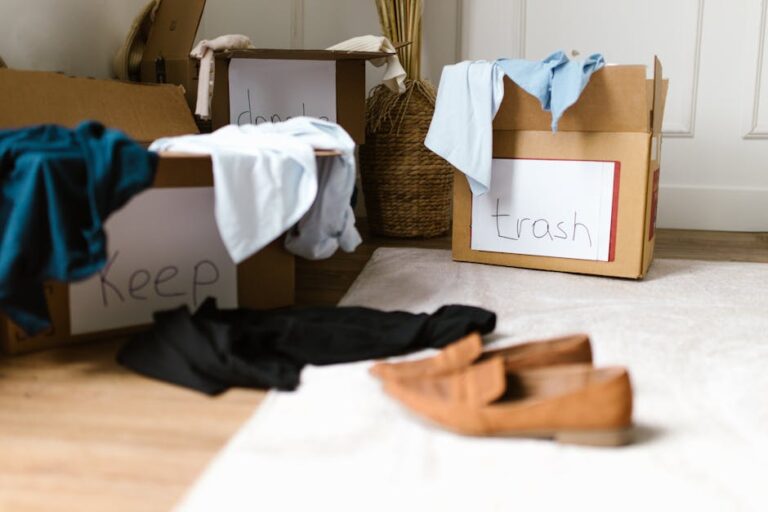
No organizational system can effectively manage an overabundance of toys. Decluttering is non-negotiable. Approach this process systematically, ideally without the child present initially. This avoids emotional attachment clouding your judgment. Start by sorting toys into four categories:
Be honest and ruthless. Question whether each toy truly adds value to your child’s play. Once you’ve completed this initial sorting, involve your child in the process (depending on their age and temperament). Explain the benefits of decluttering, such as creating more space for playing and helping other children. Frame it positively, focusing on donating to those in need.
Containerization: The Key to Control:
After decluttering, containment is paramount. Choose storage solutions that are both functional and visually appealing. Consider the following options:
When choosing containers, consider the size and weight of the toys they will hold. Ensure that containers are durable, easy to clean, and safe for children to use independently.
Categorization Strategies:
Effective organization relies on logical categorization. Group toys based on type, size, or function. Here are some categorization ideas:
Within each category, further subdivide as needed. For example, within the “building blocks” category, you might have separate containers for LEGOs, wooden blocks, and magnetic tiles.
Creating Zones for Different Activities:
Designate specific areas within the play space for different types of activities. This helps children understand the purpose of each area and encourages them to keep toys organized. Consider the following zones:
Maintaining Order: Establishing Routines:
Organization is an ongoing process, not a one-time event. Establish routines to maintain order and prevent the play space from reverting to chaos.
Teaching Children Responsibility:
The ultimate goal is to teach children to be responsible for their own belongings. Involve them in the organization process and teach them how to put toys away properly.
Rotating Toys: Keeping Things Fresh:
Toy rotation involves storing some toys out of sight and rotating them back into the play space on a regular basis. This keeps things fresh and exciting, preventing children from becoming bored with their toys. It also makes it easier to manage the number of toys in the play space at any given time.
By rotating toys, you can create a constantly evolving play space that keeps children engaged and entertained.
Adapting to Changing Needs:
Children’s interests and needs change as they grow. Be prepared to adapt the organization of the play space to reflect these changes.
By adapting the organization of the play space to changing needs, you can create a space that remains stimulating and engaging for children of all ages.