Vertical Victory: Using Space to Your Advantage
Clutter-Free Living: Storage Hacks for a Tidy Home
1. Vertical Thinking: Maximizing Wall Space
Forget the limitations of floor space. Embrace the vertical dimension. Walls are often underutilized, offering significant storage potential in every room.
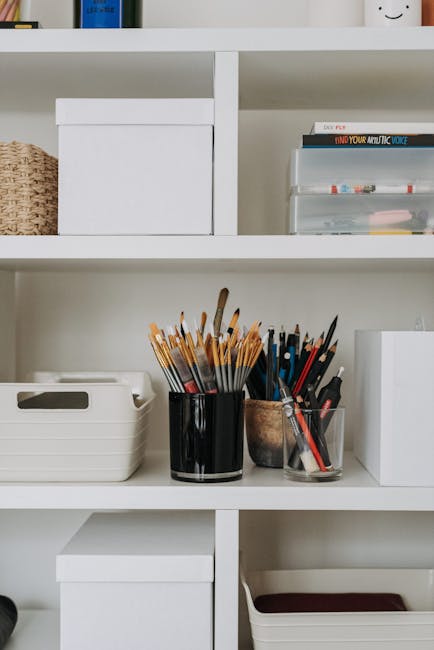
Shelving Systems: Explore adjustable shelving units like the IKEA Algot system (now replaced by BOAXEL) or Elfa shelving. These offer customizable configurations to fit your specific needs. Prioritize adjustable shelves to accommodate items of varying heights. Consider floating shelves for a minimalist aesthetic. Before installing, measure your wall space accurately and determine the load-bearing capacity, especially for heavier items like books. Use a stud finder to locate wall studs for secure mounting.
Wall-Mounted Cabinets: In kitchens and bathrooms, wall-mounted cabinets free up valuable counter space. Opt for cabinets with soft-close hinges to prevent slamming. In the living room, use wall-mounted media consoles to keep cables and electronics neatly organized. Select cabinets that complement your existing decor for a cohesive look.
Pegboards: A versatile option for workshops, kitchens, and even home offices. Hang tools, utensils, or craft supplies using various hooks and containers. Customize the layout to suit your individual needs. Purchase pegboards in varying sizes and materials (metal or wood) to match your aesthetic.
Hooks and Hangers: Install hooks behind doors for coats, towels, or bags. Use decorative hooks as an alternative to artwork. Consider over-the-door organizers for shoes or accessories in closets. Ensure hooks are sturdy enough to support the weight of the items you hang on them.
2. Underutilized Spaces: Hidden Storage Solutions
Unlock the potential of often-overlooked areas in your home.
Under-Bed Storage: Utilize shallow bins or rolling drawers to store seasonal clothing, extra linens, or books. Vacuum-sealed bags can compress bulky items like comforters and pillows. Measure the height clearance under your bed frame to ensure your storage containers fit properly.
Behind-the-Door Storage: Install over-the-door organizers for shoes, toiletries, or cleaning supplies. These are particularly useful in bathrooms and closets. Consider clear pockets for easy visibility of stored items.
Inside Cabinet Doors: Attach small shelves or racks to the inside of cabinet doors to store spices, cleaning supplies, or small tools. Use adhesive strips or small screws to secure the organizers.
Attic and Basement (When Appropriate): These spaces, if properly insulated and dry, can be valuable for storing seasonal decorations, holiday items, or infrequently used equipment. Utilize clear plastic bins to protect items from dust and moisture. Properly label each bin for easy identification. If your attic or basement is prone to moisture, consider using dehumidifiers to prevent mold and mildew.
3. Multi-Functional Furniture: Double-Duty Designs
Invest in furniture that serves multiple purposes.
Storage Ottomans: Use ottomans with lift-top lids to store blankets, pillows, or books. Choose an ottoman that complements your existing furniture style.
Storage Beds: Opt for beds with built-in drawers or platforms that lift up to reveal storage compartments. These are ideal for small bedrooms.
Coffee Tables with Storage: Select coffee tables with drawers, shelves, or lift-top lids to store magazines, remotes, or games.
Benches with Storage: Place benches with built-in storage in entryways, mudrooms, or at the foot of beds to store shoes, hats, or scarves.
4. Containerization and Categorization: The Art of Organized Storage
The key to effective storage lies in organizing and containing items.
Clear Bins and Baskets: Use clear containers to easily identify the contents. Label each bin clearly to avoid confusion. Opt for bins in consistent sizes for a more organized look.
Drawer Dividers: Keep drawers tidy by using drawer dividers to separate items like socks, underwear, or office supplies.
Spice Racks and Organizers: Utilize spice racks or tiered organizers to keep spices visible and accessible in the kitchen.
Rolling Carts: Use rolling carts to store craft supplies, cleaning products, or kitchen essentials. These can be easily moved from room to room.
Matching Hangers: Replace mismatched hangers with uniform hangers to maximize closet space and create a more streamlined look. Thin velvet hangers are particularly space-saving.
5. Decluttering: The Foundation of a Tidy Home
Storage solutions are only effective if you declutter regularly.
The KonMari Method: Sort items by category (clothing, books, papers, komono/miscellaneous, sentimental items) and keep only those that “spark joy.”
The 20/20 Rule: If you can replace an item for less than $20 and in less than 20 minutes, discard it.
One In, One Out: For every new item you bring into your home, get rid of a similar item.
Regular Purges: Schedule regular decluttering sessions (e.g., monthly or quarterly) to prevent clutter from accumulating.
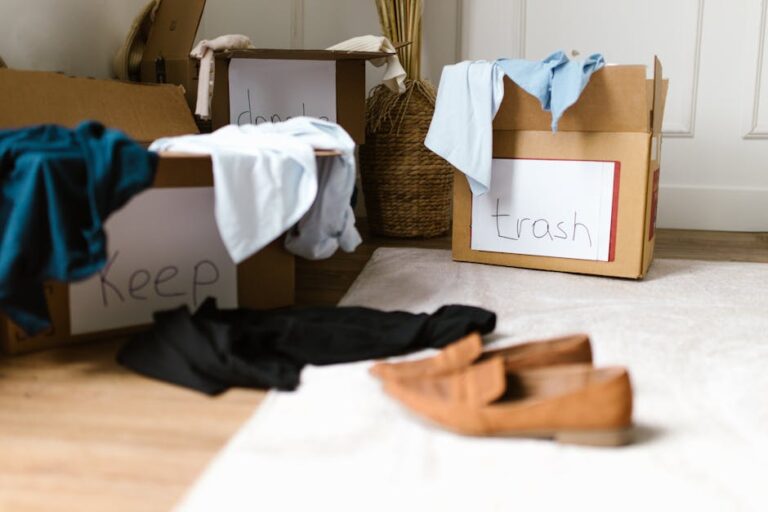
Donate, Sell, or Discard: Find appropriate outlets for unwanted items. Donate to charity, sell online, or dispose of items responsibly.
6. Digital Decluttering: Taming the Virtual Chaos
Clutter extends beyond physical possessions.
Organize Digital Files: Create a logical folder structure on your computer and regularly delete unnecessary files.
Unsubscribe from Email Lists: Reduce email clutter by unsubscribing from unwanted newsletters and promotional emails.
Delete Unused Apps: Remove apps from your phone or tablet that you no longer use.
Back Up Your Data: Regularly back up important files to a cloud service or external hard drive.
Digitize Important Documents: Scan and store important documents digitally to reduce paper clutter.
7. Kitchen Organization: Culinary Command Center
The kitchen is often a hotspot for clutter.
Pot and Pan Organizers: Use pot and pan organizers to keep cookware neatly stacked and easily accessible.
Lid Organizers: Corral pot and pan lids with dedicated organizers.
Pantry Organization: Utilize clear containers and labels to keep pantry items organized and visible. Use tiered shelving to maximize vertical space.
Utensil Holders: Keep frequently used utensils within easy reach in a countertop utensil holder.
Knife Blocks: Store knives safely and efficiently in a knife block.
8. Closet Organization: Wardrobe Wonders
A well-organized closet can save you time and frustration.
Seasonal Rotation: Rotate your wardrobe seasonally, storing out-of-season clothing in storage bins.
Color Coordination: Arrange clothing by color to make it easier to find what you’re looking for.
Folding Techniques: Use space-saving folding techniques like the KonMari method.
Shoe Storage: Utilize shoe racks, shelves, or over-the-door organizers to store shoes neatly.
Accessory Storage: Store accessories like scarves, belts, and jewelry in drawer dividers or hanging organizers.
9. Bathroom Organization: Spa-Like Serenity
Create a tranquil and organized bathroom space.
Under-Sink Storage: Utilize the space under the sink with drawers, shelves, or organizers.
Shower Organizers: Install shower caddies or shelves to store shampoo, conditioner, and other shower essentials.
Countertop Organization: Keep countertops clear by storing toiletries in drawers or cabinets.
Towel Storage: Utilize towel racks, shelves, or baskets to store towels neatly.
Makeup Organization: Use makeup organizers to keep cosmetics visible and accessible.
10. Maintenance: A Consistent Approach to Clutter Control
Clutter-free living is an ongoing process, not a one-time event.
The 15-Minute Rule: Spend 15 minutes each day decluttering and organizing.
Put Things Away Immediately: Develop the habit of putting things away immediately after using them.
Avoid Accumulation: Be mindful of what you bring into your home and avoid accumulating unnecessary items.
Regular Review: Regularly review your storage systems and make adjustments as needed.
Embrace Minimalism: Consider adopting a minimalist lifestyle to reduce your overall consumption and the need for excessive storage.