Creating a Minimalist Bedroom: A Sanctuary of Serenity
The minimalist bedroom isn’t just a design trend; it’s a lifestyle choice that promotes tranquility, reduces stress, and enhances sleep quality. It’s about intentionally curating your space, focusing on essential elements, and creating a haven free from visual clutter. This guide delves into the principles and practical steps for transforming your bedroom into a minimalist oasis.
Understanding the Core Principles:
Minimalism in the bedroom revolves around several core tenets:
- Purposeful Possessions: Every item in the room should serve a function and contribute to a sense of calm and well-being. If it doesn’t, it’s a candidate for removal.
- Clean Lines and Simple Shapes: Opt for furniture with clean, uncluttered designs. Avoid ornate details or overly embellished pieces.
- Neutral Color Palette: A muted color scheme promotes relaxation. Whites, grays, creams, and soft blues are popular choices. Introduce subtle pops of color through artwork or textiles.
- Natural Light Maximization: Prioritize natural light as much as possible. Keep windows unobstructed and use sheer curtains to diffuse sunlight gently.
- Negative Space Embracement: Minimalism celebrates empty space. Leaving areas uncluttered allows the eye to rest and creates a sense of openness.
- Intentional Storage: Effective storage solutions are crucial for keeping clutter out of sight. Choose furniture with built-in storage or utilize baskets, bins, and under-bed containers.
The De-cluttering Process: The Foundation of Minimalism
Before implementing any design changes, a thorough de-cluttering is essential. This process can be daunting, but breaking it down into manageable steps makes it less overwhelming.
- Empty Everything: Start by completely emptying your closet, drawers, and surfaces. This allows you to assess everything you own without emotional attachment.
- Categorize Items: Group similar items together (e.g., shirts, pants, books, accessories). This helps you identify duplicates and areas where you have excess.
- The Four-Box Method: Use four boxes labeled “Keep,” “Donate/Sell,” “Trash,” and “Relocate.”
- Keep: Only items you genuinely use, love, or need. Be honest with yourself.
- Donate/Sell: Items in good condition that you no longer need or want can find a new home.
- Trash: Broken, damaged, or unusable items should be discarded.
- Relocate: Items that belong in another room should be moved to their proper place.
- The “One In, One Out” Rule: Once you’ve decluttered, adopt the “one in, one out” rule. For every new item you bring into your bedroom, remove one similar item.
- Sentimental Items: Handle sentimental items separately. Create a designated box for these and review it later, allowing yourself time to make thoughtful decisions. Consider photographing items you want to remember but don’t need to keep.
Choosing Minimalist Furniture:
Furniture plays a critical role in achieving a minimalist aesthetic. Select pieces that are functional, stylish, and contribute to the overall sense of calm.
- Bed Frame: Opt for a platform bed with clean lines or a minimalist frame with a headboard in a neutral color. Consider a bed frame with built-in storage drawers.
- Nightstands: Choose small, simple nightstands with drawers or shelves to minimize clutter. Wall-mounted nightstands can create a floating effect and save floor space.
- Dresser: If you need a dresser, select one with a sleek design and ample storage. Consider a dresser with hidden hardware or a minimalist chest of drawers.
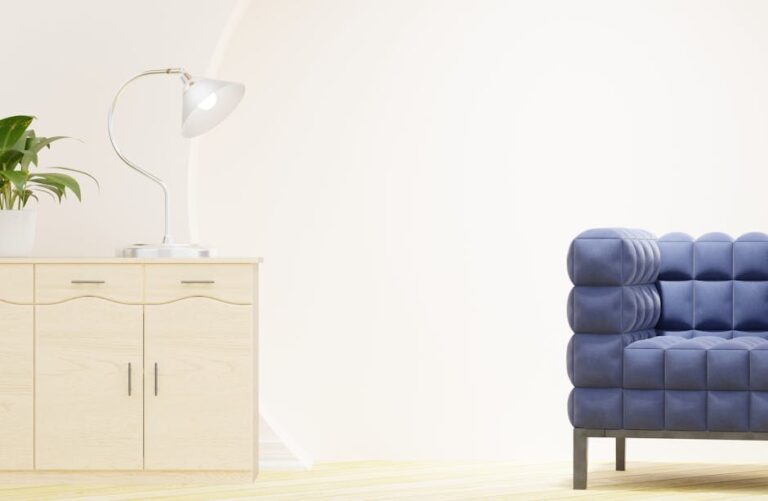
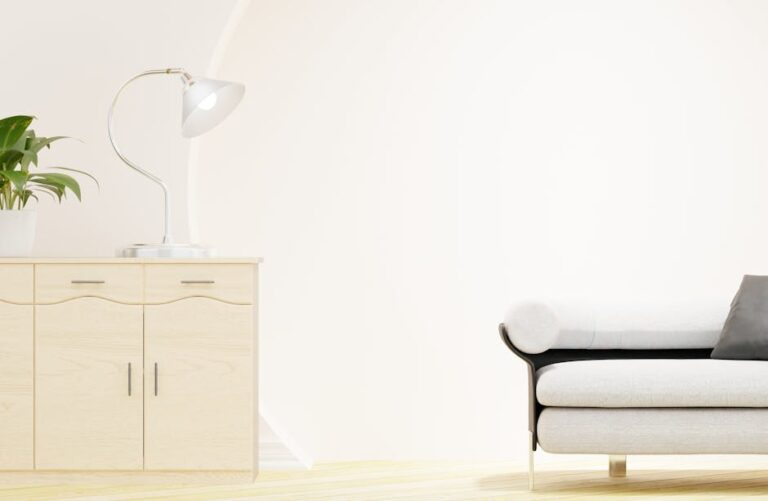
- Seating (Optional): If space allows, a simple armchair or bench can provide a comfortable seating area. Choose a piece in a neutral color with clean lines.
- Desk (If Necessary): If you need a workspace in your bedroom, opt for a minimalist desk with a clean design. Consider a wall-mounted desk that can be folded away when not in use.
Color Palette and Lighting:
The color palette and lighting are crucial for creating a relaxing and minimalist atmosphere.
- Color Palette: Stick to a neutral color palette of whites, grays, creams, and soft blues. These colors promote relaxation and create a sense of spaciousness. Introduce subtle pops of color through artwork or textiles.
- Lighting: Maximize natural light by keeping windows unobstructed. Use sheer curtains to diffuse sunlight gently. Supplement natural light with minimalist lighting fixtures such as:
- Overhead Lighting: Choose a simple, flush-mount ceiling light or a minimalist pendant light.
- Task Lighting: Use a minimalist table lamp on your nightstand for reading or a floor lamp in a seating area.
- Ambient Lighting: Consider string lights or LED strip lights to create a soft, ambient glow.
- Light Control: Invest in blackout curtains or blinds to block out light when you need to sleep.
Textiles and Accessories: Adding Softness and Personality
While minimalism emphasizes simplicity, textiles and accessories can add softness, texture, and personality to your bedroom.
- Bedding: Choose high-quality bedding in a neutral color or a subtle pattern. Opt for natural materials like linen or cotton. A simple duvet cover and a few decorative pillows are sufficient.
- Rugs: A soft rug can add warmth and texture to the room. Choose a rug in a neutral color or a subtle pattern.
- Curtains: Use sheer curtains to diffuse natural light or blackout curtains to block out light when you need to sleep.
- Artwork: Choose a few pieces of artwork that you love and that complement the overall aesthetic. Avoid overcrowding the walls with too many pieces.
- Plants: Plants can add life and freshness to the room. Choose a few low-maintenance plants that thrive in low-light conditions.
- Mirrors: Mirrors can create the illusion of more space and light. Place a large mirror on a wall or use a smaller mirror on a dresser.
- Storage Baskets: Use storage baskets to organize items on shelves or under the bed. Choose baskets in a neutral color or a natural material.
Storage Solutions for a Clutter-Free Space:
Effective storage solutions are essential for keeping clutter out of sight and maintaining a minimalist aesthetic.
- Built-in Storage: Consider furniture with built-in storage, such as a bed frame with drawers or a dresser with hidden compartments.
- Under-Bed Storage: Utilize under-bed storage containers to store seasonal clothing, extra bedding, or other items.
- Closet Organization: Implement a closet organization system to maximize space and keep your clothes neatly arranged.
- Wall-Mounted Shelves: Use wall-mounted shelves to display books, plants, or other decorative items.
- Baskets and Bins: Utilize baskets and bins to organize items on shelves or in closets.
- Hidden Storage: Look for opportunities to incorporate hidden storage into your design, such as a bench with a lift-up seat or a headboard with built-in shelves.
Maintaining the Minimalist Bedroom:
Creating a minimalist bedroom is only the first step. Maintaining it requires ongoing effort and mindfulness.
- Regular De-cluttering: Set aside time each week or month to declutter your bedroom.
- Make Your Bed Daily: Making your bed daily instantly creates a sense of order and calm.
- Put Things Away Immediately: Develop the habit of putting things away immediately after using them.
- Avoid Accumulating Clutter: Be mindful of what you bring into your bedroom and avoid accumulating unnecessary items.
- Clean Regularly: Regular cleaning is essential for maintaining a clean and minimalist space.
By embracing these principles and implementing these practical steps, you can transform your bedroom into a minimalist sanctuary that promotes relaxation, reduces stress, and enhances your overall well-being. It’s a journey of intentionality and mindful living that extends beyond the physical space, impacting your mental clarity and overall quality of life.